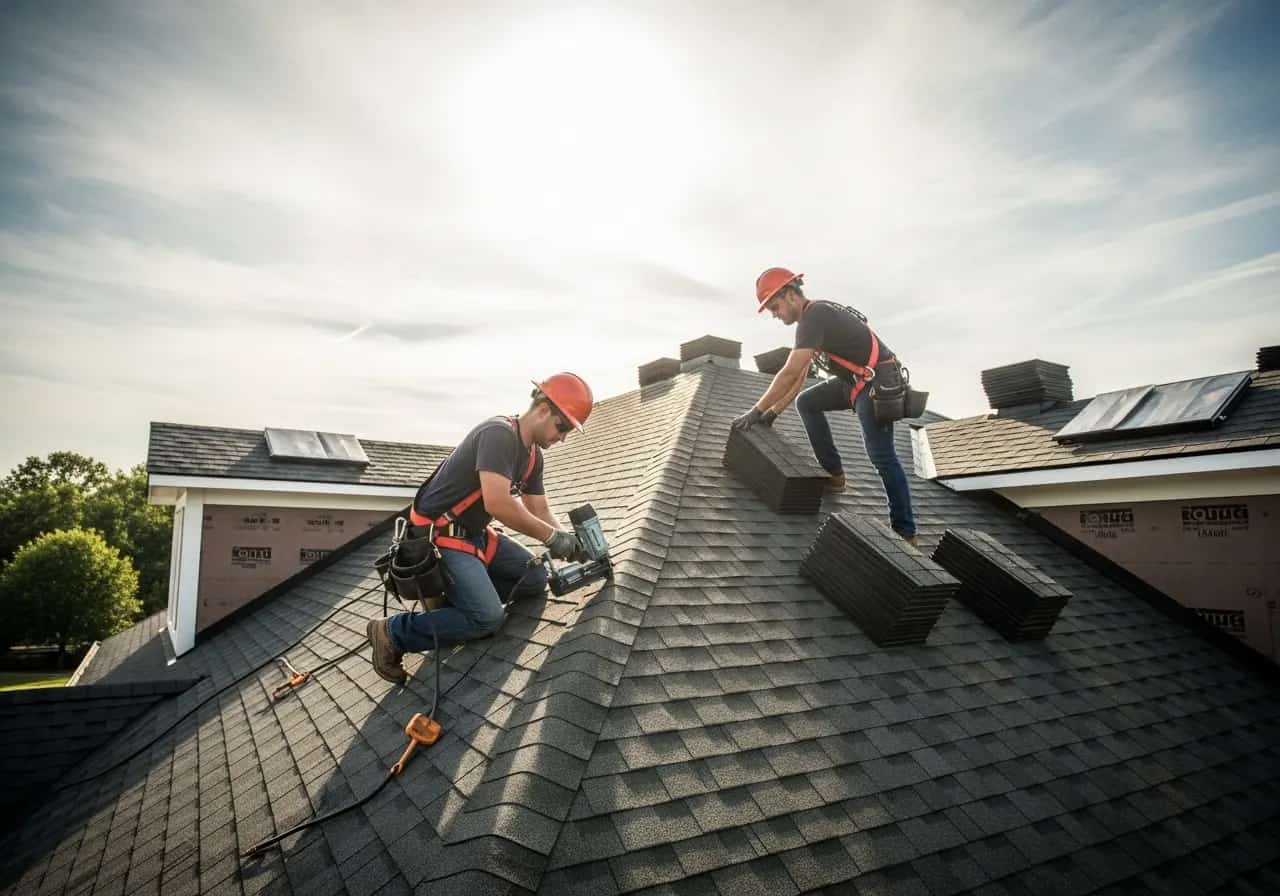
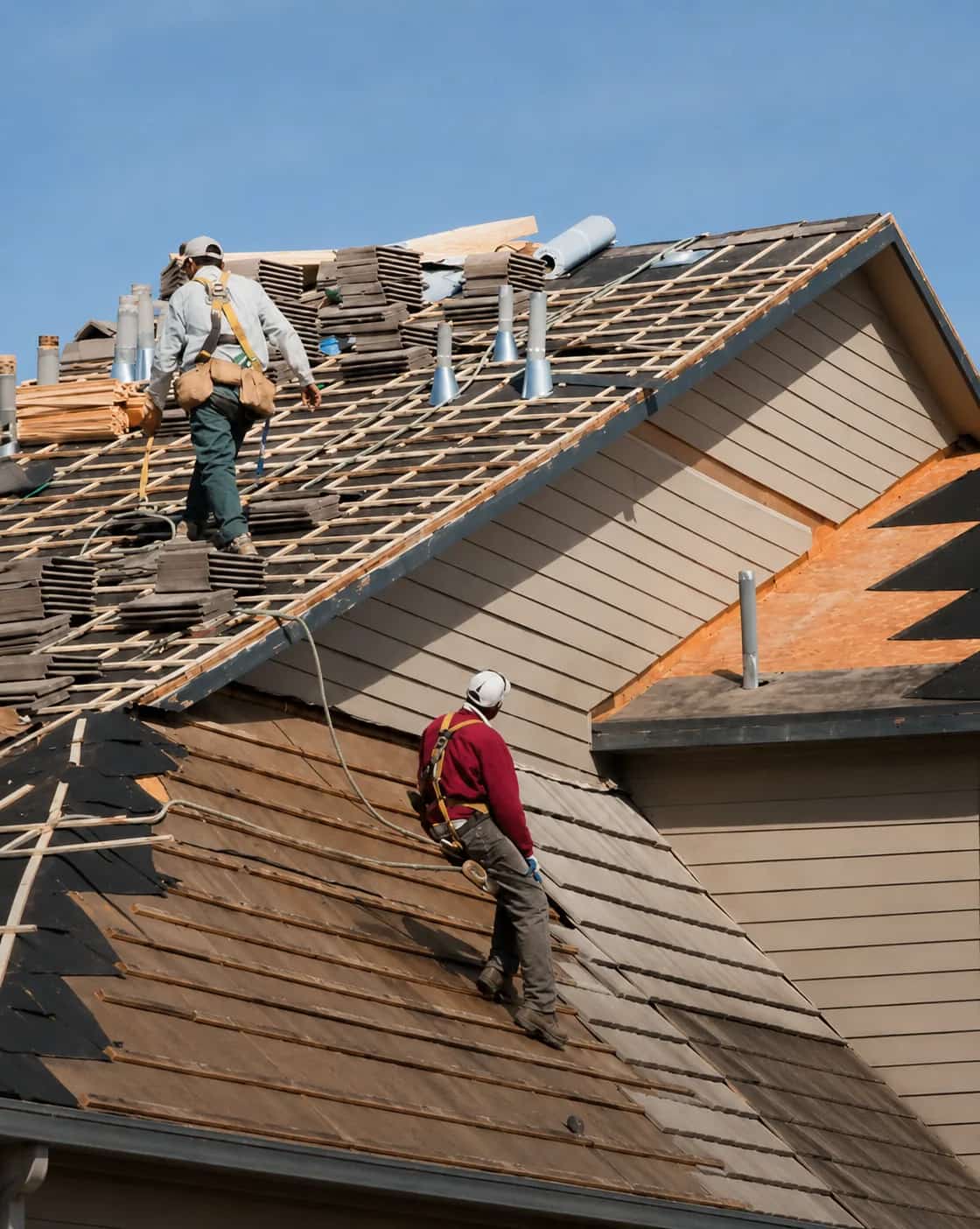
The roofing industry has a growing problem. Homeowners need new roofs, but fewer are prepared to pay for them out of pocket.
Roofing contractors need financing in 2026 because replacement costs are rising, insurance coverage is changing, and homeowners are struggling with large unexpected expenses. Offering monthly payment options helps contractors address affordability concerns, protect their profit margins, and give more homeowners a practical path to replacing their roofs.
Here’s what every roofing contractor needs to understand.
How Much Does a New Roof Cost in 2026?
According to Verisk’s 2026 U.S. Roof Report, the average residential roof replacement cost reached $17,631 in 2025, an increase of approximately 33% compared with the average from 2021 through 2024.
HomeAdvisor reports a lower national average of approximately $9,611, reflecting a different set of reported roofing projects.
Regardless of which number you use, the problem is the same.
Most homeowners are not planning to spend thousands of dollars replacing their roof this year.
They are planning vacations, paying mortgages, raising families, and trying to keep up with everyday expenses.
Then you knock on their door and tell them they need a $17,000 roof.
That’s a big financial decision.
And it’s exactly why roofing financing has become such an important part of the sales process.
Why Are More Homeowners Paying for Roofs Themselves?
For years, many roofing contractors built their businesses around insurance restoration.
A storm comes through. The homeowner files a claim. The insurance company approves the covered damage. The contractor replaces the roof.
But the roofing market is changing.
Verisk reported several important findings in its 2026 study:
-
Roof claims volume declined approximately 20% in 2025, largely due to a quieter hurricane season.
-
Average roof replacement costs increased 33% compared with the prior four year average.
-
Approximately 38% of U.S. residential homes showed moderate to poor roof conditions.
-
Nonrecoverable depreciation accounted for nearly 20% of roofing claim assignments, up from approximately 16% in 2021.
These numbers do not mean insurance companies are denying 20% more claims. They do show the financial pressures surrounding roof replacement.
More homeowners are facing aging roofs, higher replacement costs, and insurance policies that may leave them responsible for a larger share of the bill.
The roofing contractor who knows how to sell a retail roof with affordable financing options has a major advantage over the contractor who depends entirely on insurance work.
Why Does Offering Monthly Payments Help Roofing Contractors Close More Jobs?
Because homeowners do not make purchasing decisions based on price alone.
They also make decisions based on how that purchase fits their monthly household budget.
Let’s imagine you’re sitting at the kitchen table with a homeowner.
You’ve inspected the roof, explained the damage, and recommended a complete replacement.
You present the estimate.
$17,631.
The homeowner looks at their spouse.
Then comes the familiar response.
“We really need to think about it.”
Now imagine a different conversation.
Before presenting the estimate, you explain that your company offers several payment options, including the ability to spread the cost over time, subject to credit approval.
When you present the project, you show both the total price and an illustrative monthly payment.
Same roof. Same contractor. Same price. A different way to pay.
For example, a $17,631 project financed over 120 months at a hypothetical 9.99% fixed APR would cost approximately $233 per month, assuming no additional financed fees.
That makes the conversation different.
Instead of only asking whether they can afford $17,631 today, the homeowner can consider whether a monthly payment fits their budget.
Of course, the contractor must also explain the total cost. In this example, financing would add approximately $10,317 in interest over the loan term.
Financing does not make a roof cheaper.
It gives homeowners another way to pay for a roof they may already need.
And when you make that conversation easier, you create more opportunities to earn the business.
Should Roofing Contractors Offer Financing Before or After Presenting the Price?
Before. Every time.
One of the biggest mistakes I see roofing contractors make is treating financing like a last resort.
They present the roof.
They announce the price.
They wait for the homeowner to object.
Then they say, “Well, we do have financing.”
That’s backward.
After more than 30 years working in home improvement lending, including my time with Service Finance, Truist, and Upgrade, I’ve learned one important lesson.
Financing should be part of the sales presentation, not a rescue attempt after the customer objects to the price.
At Improvifi, we teach contractors to introduce financing early.
Here’s a simple way to do it:
“Before we get started, I want you to know that we offer several ways to pay for your roof. Some customers prefer paying in full, while others like promotional financing or affordable monthly payments. We’ll show you the options, and you can decide what makes the most sense for your family.”
That’s it.
You’re not pressuring the homeowner to borrow money.
You’re simply explaining their purchasing options.
And that’s what professional salespeople should do.
What Types of Financing Should Roofing Contractors Offer?
Not every homeowner has the same credit, budget, or financial goals.
Some want the lowest total financing cost.
Some want the lowest manageable monthly payment.
Some want a promotional offer they can pay off quickly.
Others may want to use their available home equity.
This is why offering only one roofing financing program can limit your sales opportunities.
A strong financing strategy should provide access to multiple solutions.
| Financing Option | Best Fit |
|---|---|
| Promotional Financing | Homeowners who want a shorter repayment period or qualifying promotional terms |
| Fixed Rate Unsecured Loans | Homeowners who prefer predictable payments without using their home as collateral |
| Secured Home Improvement Loans | Homeowners with available equity considering larger projects or longer repayment terms |
| No Dealer Fee Financing | Contractors seeking to protect margins while offering additional payment options |
Every option has tradeoffs.
Promotional programs may include dealer fees or special interest conditions. Longer terms can reduce monthly payments but increase total interest. Secured loans use the property as collateral and carry additional risks and costs.
The goal is not to push one loan.
The goal is to help each homeowner find the right financing solution for their project and financial situation.
Why One Roofing Financing Lender Is No Longer Enough
Here’s another problem I see all the time.
A contractor has one lender.
A homeowner applies.
The lender declines the application.
And the contractor assumes the sale is dead.
But one lender’s decline doesn’t always mean the homeowner has no financing options.
Different lenders have different credit requirements, income guidelines, loan limits, and financing products.
That’s why I developed the Improvifi Lending Ladder.
The concept is simple.
When one lending option doesn’t fit, look for the next appropriate solution.
That could mean exploring another unsecured lender, a secured home improvement loan, or a personal loan from a different lending source.
The important thing is that your sales team knows what to do next.
At Improvifi, our Deal Desk helps contractors work through challenging financing situations instead of leaving sales representatives to figure everything out on their own.
One lender gives you one set of options.
Multiple lending solutions give you more opportunities to find a suitable fit.
How Can Roofing Contractors Use Financing to Increase Revenue?
Let’s look at a simple example.
Imagine your roofing company runs 100 qualified sales appointments per month.
Your average roofing project is $17,631.
You currently close 30 jobs.
That’s $528,930 in monthly contracted revenue.
Now imagine that introducing financing earlier, offering more payment choices, and improving your sales process helps your team close just five additional projects.
Five more roofs at $17,631 each equals $88,155 in additional monthly contracted revenue.
Over 12 months, that represents $1,057,860 in potential additional revenue.
This is an illustration, not a guaranteed increase in close rates. Actual results depend on lead quality, sales execution, financing availability, customer demand, and other factors.
But the math demonstrates why contractors should measure the financial value of every missed opportunity.
You don’t always need more leads to grow.
Sometimes you need to help more of the homeowners you’re already meeting find a practical way to buy.
How Does Improvifi Help Roofing Contractors Offer Financing?
At Improvifi, we believe financing should be more than handing a homeowner a loan application.
It should be part of a complete roofing sales strategy.
That’s why we bring together lending, training, support, and technology.
Our contractors have access to multiple financing solutions, including secured and unsecured programs, supported by the Improvifi App and our live Deal Desk.
We also teach contractors how to introduce financing early, present Good Better Best options, understand dealer fees, and use the Lending Ladder when the first financing option doesn’t work.
The result is a better sales experience for the contractor and a more informed purchasing experience for the homeowner.
Because financing is not just about getting an application approved.
It’s about helping people understand their options and make confident decisions.
The Bottom Line: Roofing Contractors Need More Than a Great Roof in 2026
You can install the best shingles.
Offer the strongest warranty.
Have the best reviews in your market.
And still lose the job because the homeowner doesn’t know how they’re going to pay for it.
That’s the reality of selling roofs in 2026.
The contractors who adapt will be the ones who understand that affordability is part of the purchasing conversation.
Stop making homeowners figure out how to pay for a roof after you leave.
Show them their options while you’re sitting at the kitchen table.
Bring a PAYMENT, not just a PRICE.
Ready to Build a Better Roofing Financing Strategy?
Improvifi helps roofing contractors offer more financing options, train their sales teams, and access the support needed to navigate complicated financing situations.
You don’t need another lender that simply hands you a portal.
You need a financing strategy that works in the field.
Chris Scoville is the Founder and CEO of Improvifi, with more than 30 years of experience in home improvement lending and contractor sales education.